Dealing with DLL errors can be frustrating, especially when they interfere with your system’s stability or specific applications. One common culprit behind such errors is the dwrite.dll file, a crucial component of Windows that supports advanced text rendering. If you're encountering messages about missing, corrupted, or failed to load dwrite.dll, don’t worry — this comprehensive guide will walk you through understanding the file's importance, identifying common errors, and applying effective fixes to restore your system’s health.
Understanding dwrite.dll and Its Importance
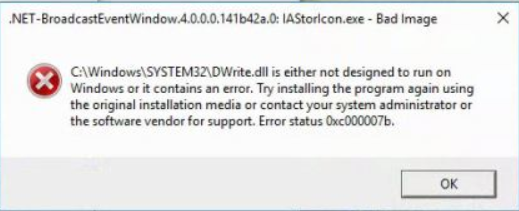
What is dwrite.dll?
dwrite.dll stands for DirectWrite Dynamic Link Library, a core Windows component responsible for delivering high-quality text rendering and font management in modern applications and the Windows user interface. It plays a key role in display functions, supporting rendering of scalable fonts, anti-aliasing features, and advanced text formatting. This DLL is integral to the smooth operation of many Windows features, including Microsoft Edge, Microsoft Office, and third-party software that relies on precise font rendering. Its proper functioning ensures that text appears crisp and clear across your operating system.
Why dwrite.dll Errors Occur
While generally stable, dwrite.dll can sometimes malfunction due to various reasons, leading to error messages popping up. Common causes include system file corruption, malware infections, driver conflicts, incomplete Windows updates, or accidental deletion. These issues can manifest when applications or the system attempt to access the DLL, but find it missing or damaged.
Common Symptoms
- Error messages stating “dwrite.dll is missing”, “Failed to load dwrite.dll”, or “dwrite.dll not found”.
- System crashes or application failures during startup or operation.
- Odd glitches in text rendering within programs or browsers.
- Repeated prompts or error pop-ups related to dwrite.dll. Recognizing these symptoms early can help you act swiftly to resolve the problem.
Common dwrite.dll Errors and Their Causes
Error Messages Overview
The most prevalent errors involving dwrite.dll include:
- Missing dwrite.dll: Indicates the DLL file is absent from the system.
- Failed to load dwrite.dll: The system cannot load the DLL, often due to corruption.
- dwrite.dll crash or not found: System or application crashes linked directly to the DLL’s failure.
Factors Leading to Errors
Several underlying reasons can cause these errors:
- Corrupted or deleted DLL files due to accidental deletion or malware.
- Incomplete Windows updates or failed installations that affect system files.
- Outgoing driver compatibility issues or conflicts with third-party software.
- Malware infections that corrupt or replace system DLLs.
- Hardware issues, such as failing disk drives, that lead to file corruption.
Impact on System and Software
These DLL errors can result in degraded user experience, application crashes, or even system instability. For instance, if your system cannot load dwrite.dll, you might find that text rendering in browsers or office applications is affected, and some features may be disabled until the issue is resolved.
Manual Repair Techniques for dwrite.dll Errors
When facing dwrite.dll-related problems, you can attempt manual repairs before resorting to third-party tools. Here are effective steps to troubleshoot and fix:
Re-registering dwrite.dll with RegSvr32
RegSvr32 is a Windows Utility used to register or unregister DLL files.
Steps:
1. Press Windows + R to open the Run dialog.
2. Type cmd and press Ctrl + Shift + Enter to run Command Prompt as administrator.
3. Type the following command and press Enter:
regsvr32 /u dwrite.dll
4. Then re-register the DLL:
regsvr32 dwrite.dll
5. Restart your computer and check if the error persists.
Note: If Windows reports that the DLL is not registered or can't find it, proceed with the next steps.
Replacing the DLL Manually
If the DLL file is missing or corrupted: 1. Locate a clean version of dwrite.dll from a trusted source or extract it from a healthy Windows installation (e.g., Windows 10 ISO). 2. Copy the dwrite.dll file to the C:\Windows\System32 folder. 3. Register the DLL as shown above. Caution: Always ensure you download DLL files from reputable sources to avoid malware.
Running System File Checker (SFC) and DISM
SFC and DISM are powerful Windows utilities to repair corrupted system files.
Steps:
1. Open Command Prompt as administrator.
2. Run the System File Checker:
sfc /scannow
3. Wait for the scan to complete; it will automatically fix many issues.
4. If problems persist, use DISM:
DISM /Online /Cleanup-Image /RestoreHealth
5. After completing DISM, rerun sfc /scannow.
This process can repair or restore the dwrite.dll and other critical files, resolving many errors automatically.
Using DLL Repair Tools and Official Downloads
Review of Top DLL Repair Tools
If manual steps seem daunting, several reputable tools can automate DLL repair:
- DLL-files.com Client: Offers safe downloads of specific DLL files.
- Restoro: A system repair tool that scans and replaces damaged system files.
- Wise Registry Cleaner: Cleans invalid registry entries, which can also help fix DLL issues. Tip: Always ensure you're downloading from trusted, official sources. Avoid shady websites that promise free DLL fixes but may distribute malware.
Official Microsoft Runtime Download
Microsoft provides official runtime libraries, including DirectWrite, via Windows Update or Visual C++ redistributables. Downloading and installing the latest Visual C++ Redistributable package can often resolve missing or corrupted DLL issues. Download from the official Microsoft website: https://support.microsoft.com/en-us/help/2977003/the-latest-supported-visual-c-downloads
Safety Tips for Downloads
- Use official sources only.
- Avoid third-party sites offering free DLL files without verification.
- Run antivirus scans after downloading files.
Prevention and Best Practices
Preventing dwrite.dll errors involves proactive system maintenance:
Keep Windows Updated
Always install the latest Windows updates, which often include important security patches and system file improvements.
- Go to Settings > Update & Security > Windows Update and check for updates regularly.
Regular Driver Updates
Update graphics, font, and system drivers to ensure compatibility with Windows and avoid conflicts.
- Use Device Manager or manufacturer-specific tools (like NVIDIA GeForce Experience) for updates.
Antivirus and Virus Scans
Malware can infect or corrupt DLL files:
- Install reputable antivirus software.
- Schedule regular scans.
- Use malware removal tools if needed.
Conclusion
Dealing with dwrite.dll errors can be a straightforward process once you understand their causes and proper troubleshooting techniques. Whether you opt for manual repair steps, utilize trusted repair tools, or ensure your system is up to date, maintaining system integrity is key to avoiding future DLL issues. Remember, proactive maintenance — like keeping your Windows system current, updating drivers, and scanning for malware — significantly reduces the chances of encountering such errors. By following the steps outlined in this guide, you can troubleshoot dwrite.dll issues confidently and keep your Windows environment running smoothly. Stay vigilant, perform regular system checks, and don’t hesitate to seek professional help if problems persist. Your system’s stability and your productivity depend on it!