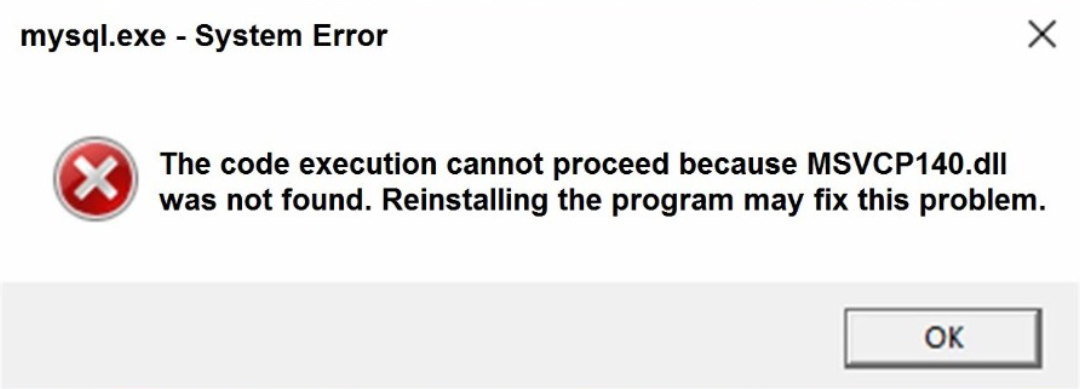
Experiencing a 'msvcp140.dll missing' error can be frustrating, especially when it disrupts your gaming, software operation, or routine Windows use. This particular DLL (Dynamic Link Library) file is a crucial component in running applications that depend on the Visual C++ Redistributable package. When it's missing or corrupted, it often results in error messages that can prevent programs from launching or functioning correctly. In this comprehensive guide, we'll explore what causes the 'msvcp140.dll missing' error, why it's critical to address it promptly, and how you can troubleshoot and fix it efficiently. Whether you're a casual user, gamer, or IT professional, these steps will help you restore system stability and get your applications back on track.
Understanding msvcp140.dll and Its Role in Windows
Overview of DLL Files
DLL files like msvcp140.dll are essential components of Windows software architecture. Think of DLLs as building blocks that contain code, data, and resources used by multiple programs. Instead of each application reinventing the wheel, they call upon the appropriate DLLs to perform common functions, making software more efficient and modular.
Role of msvcp140.dll in Software Compatibility
Specifically, msvcp140.dll is part of the Visual C++ Redistributable for Visual Studio 2015, 2017, and 2019. It provides runtime support for applications developed with Microsoft Visual C++, such as many games, enterprise software, or utilities. When this DLL is missing, damaged, or incompatible, running these applications is impossible, leading to errors like:
"The program can't start because msvcp140.dll is missing from your computer." This underscores how vital msvcp140.dll is in ensuring smooth software operation and system compatibility.
Common Causes of the 'msvcp140.dll Missing' Error
1. Corrupted System Files
Over time, Windows system files can become corrupted due to improper shutdowns, hardware issues, or system crashes, leading to missing or damaged DLL files.
2. Incomplete Software Installation
If a program or the Visual C++ Redistributable package didn't install correctly—perhaps due to interrupted downloads or permissions issues—the related DLLs may not be properly registered, triggering errors.
3. Malware Infections
Malicious software can corrupt or delete DLL files to sabotage system performance or hide their presence. Infection can thus lead to missing or compromised msvcp140.dll files.
4. Windows Updates or System Rollbacks
Sometimes, Windows updates or system restores can inadvertently remove or override DLL files, causing missing dependency errors.
5. Accidental Deletion
Manual deletion of system files or cleaning tools might mistakenly remove necessary DLLs, including msvcp140.dll.
Step-by-Step Manual Solutions to Fix the Error
Addressing the 'msvcp140.dll missing' error requires a methodical approach. Here's a sequence of manual troubleshooting steps that can resolve the issue effectively.
Reinstall Visual C++ Redistributable
Since msvcp140.dll is part of the Visual C++ Redistributable, the first step is to repair or reinstall it.
- Visit the official Microsoft download page.
- Download the x86 and x64 versions compatible with your system.
- Run the installers and select Repair if available. Follow the prompts to complete the process.
- Restart your PC and check if the error persists.
Download msvcp140.dll from Official Sources
If reinstallation doesn't help, you might opt to manually download the DLL file:
- Visit the official Microsoft website or a credible source.
- Download msvcp140.dll compatible with your Windows version.
- Place the DLL file in the application's directory that requests it (e.g., C:\Program Files...) or in
C:\Windows\System32(for 64-bit systems) andC:\Windows\SysWOW64(for 32-bit systems). - Register the DLL:
regsvr32 msvcp140.dll
Note: Manually replacing DLL files can be risky; always prefer official sources and backups.
Use System File Checker (SFC) and Deployment Image Servicing and Management (DISM)
These built-in Windows tools scan and repair corrupt system files:
- Open Command Prompt as Administrator.
- Run the following commands one after another:
sfc /scannow
After SFC completes:
DISM /Online /Cleanup-Image /RestoreHealth
- Restart your PC and verify if the error is resolved.
Manual DLL Replacement
If the above steps don’t work, try:
- Boot into Safe Mode.
- Replace the msvcp140.dll file in the system directories with a clean copy.
- Reboot normally and test.
Registry Repair and Cleanup
Occasionally, registry issues cause DLL errors:
- Use reputable registry cleaner tools or manually repair invalid entries related to msvcp140.dll.
- Be cautious: editing the registry can be risky; back up beforehand.
Using DLL Repair Tools and Utilities
Overview of DLL Repair Tools
Automated tools can simplify DLL-related troubleshooting:
- DLL-files.com Client
- Restoro Repair
- Wise Fixer These utilities scan your system for missing or corrupted DLLs, download clean versions, and register them automatically.
How to Choose Trustworthy Tools
- Verify the source of the software.
- Read reviews and user feedback.
- Ensure the software is updated.
- Avoid tools that excessively promote paid upgrades or bundle unwanted software. Tip: Use these tools as a supplement after manual troubleshooting or if you're unfamiliar with system internals.
Preventive Measures and Best Practices
Prevention is better than cure. Use these best practices to minimize the risk of future DLL errors:
Regular System Updates
- Enable automatic Windows updates.
- Keep your system patched with the latest security and stability fixes.
Keep Software and Drivers Current
- Regularly update installed programs and device drivers.
- Use official sources for downloads and updates.
Security Scans and Antivirus Protection
- Install reputable antivirus software.
- Perform routine malware scans.
- Avoid suspicious links or downloads from untrusted sources.
Backup System Files
- Create regular backups of your system and registry.
- Establish restore points before major changes.
Conclusion
Dealing with the 'msvcp140.dll missing' error can be challenging, but with methodical troubleshooting, you can often resolve it without professional help. Reinstalling the Visual C++ Redistributable, manually replacing DLL files, and using built-in Windows repair tools like SFC and DISM are effective starting points. Remember to prioritize safety by downloading DLLs from official sources and backing up your system before making significant changes. If the error persists despite your efforts, consider consulting a professional technician or IT support specialist. By understanding the underlying causes and following practical solutions, you can restore your system's stability, ensure smooth application performance, and prevent similar issues in the future.
Take action now to troubleshoot your msvcp140.dll missing error and get back to using your applications seamlessly!