Overview of the 'unarc.dll returned an error code - 11' error, its impact on system stability, and the importance of effective troubleshooting.
If you've encountered the message "unarc.dll returned an error code - 11" while using your Windows computer or during software installation, you're not alone. This error signifies a problem with the unarc.dll file—an important dynamic link library (DLL) associated with archive extraction and software setup processes. Such DLL errors can cause software crashes, install failures, and sometimes even system instability, impacting your productivity or gaming experience. Addressing DLL errors promptly is crucial to maintain a smooth and secure operating environment. This guide will walk you through understanding the causes, troubleshooting steps, and preventive strategies to resolve the 'unarc.dll returned an error code - 11' effectively.
Understanding 'unarc.dll returned an error code - 11'
What is unarc.dll?
DLL files, or Dynamic Link Libraries, contain code and data used by multiple programs to perform specific functions. The unarc.dll is a DLL file primarily involved in decompressing archive files—like .rar, .zip, or setup files—during software installation or update processes. When a program calls upon this DLL to extract files, any errors related to unarc.dll can halt operations and generate error messages.
Common scenarios leading to error - 11
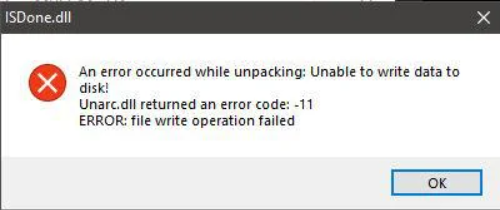
Users often encounter error code - 11 during software setups, game installations, or update processes. Typical scenarios include:
- Installing large games or software that utilize compressed archives.
- Updating applications that rely on archive extraction routines.
- System corruption or missing
unarc.dllfiles. - Conflicts with other DLL files or outdated components.
- Malware infections damaging DLL files. Understanding when and why this error occurs helps in designing focused troubleshooting strategies.
Common Causes of DLL Errors and their Symptoms
Corrupted DLL files
Over time, DLL files can become corrupted due to improper shutdowns, disk errors, or malware attacks. A damaged unarc.dll can prevent archive extraction, resulting in error code - 11.
System file corruption
System-wide issues like corrupted system files or registry entries can impact the integrity and accessibility of DLL files, causing frequent errors.
Registry problems
Invalid or stale registry entries associated with unarc.dll can mislead system processes, leading to runtime errors during program execution.
Version conflicts
Having multiple versions of similar DLLs or incompatible software updates can cause conflicts, especially if a program loads an outdated or incompatible unarc.dll.
Symptoms of DLL errors include:
- Error messages during software installation or updates.
- Application crashes immediately after launch.
- Slow system performance.
- Missing DLL warnings or errors mentioning
unarc.dll. - Inconsistent program behavior or instability. Recognizing these symptoms allows you to target your troubleshooting efforts effectively.
Step-by-Step Manual Repair Methods
Using SFC and DISM
System File Checker (SFC) and Deployment Image Servicing and Management (DISM) are built-in Windows tools to fix corrupted system files and restore DLL integrity.
Step 1: Run System File Checker (SFC)
- Press
Win + R, typecmd, then pressCtrl + Shift + Enterto run Command Prompt as administrator. - Enter the command:
sfc /scannow - Wait for the process to complete. It will automatically detect and repair corrupted files, including DLL issues.
Step 2: Run DISM to repair Windows image
- Open Command Prompt as administrator.
- Enter the command:
DISM /Online /Cleanup-Image /RestoreHealth - Allow the process to finish, then rerun
sfc /scannow.
Manual DLL replacement
If the unarc.dll file is missing or corrupt, replacing it manually can resolve the error.
Step 3: Download the DLL file
- Download
unarc.dllfrom a reputable DLL repository or the software's official source. - Ensure it’s compatible with your Windows version.
Step 4: Place the DLL in the correct folder
- Copy the downloaded DLL.
- Paste it into
C:\Windows\System32for 64-bit systems orC:\Windows\SysWOW64for 32-bit systems.
Registering DLLs with RegSvr32
- Open Command Prompt as administrator.
- Type the command:
regsvr32 /u unarc.dllto unregister, thenregsvr32 unarc.dllto register the DLL again.
Restoring system via System Restore
If recent changes caused the error, reverting to a previous restore point can help.
Step 5: Use System Restore
- Search for "Create a restore point" in the Start menu and open it.
- Click on "System Restore."
- Follow prompts to choose a restore point before the error occurred.
- Proceed with restoration and restart your computer.
Additional Tips for Preventing DLL Errors
Keep Windows Updated
Regularly update your Windows OS to ensure system files and security patches are current.
Perform regular virus scans
Malware infections can corrupt DLL files. Use reputable antivirus software to scan your system frequently.
Backup system files
Create regular backups via Windows Backup or system image tools to quickly restore your system if errors reoccur.
Practice safe software installation
Only download applications from trusted sources, and avoid unnecessary modifications to system files or registry.
Conclusion
DLL errors like 'unarc.dll returned an error code - 11' can be disruptive, but most issues are resolvable with systematic troubleshooting. Start by running system file checks, manually replacing or registering DLL files, and performing system restores if needed. Coupled with preventive measures—such as maintaining Windows updates, conducting virus scans, and backing up your system—these practices can significantly reduce the chances of encountering recurring DLL errors. Remember, if troubleshooting attempts fail or you're unsure about performing manual repairs, seeking professional help is always a prudent choice to safeguard your system’s stability. Keeping your system healthy not only resolves current issues but also prevents future DLL-related headaches.
Take action today to fix your DLL errors and keep your Windows system running smoothly!