Overview of the msvcp140.dll error, its impact on Windows applications, and why users need to fix it promptly.
Encountering errors like "the code execution cannot proceed because msvcp140.dll was not found" can be frustrating, especially when you're trying to launch your favorite game or run a critical application. This error typically indicates that a key system file—msvcp140.dll—is missing, corrupted, or inaccessible, leading to application crashes, startup failures, or system instability. Promptly fixing this problem is essential to restore your system’s functionality, prevent data loss, and maintain a smooth user experience. In this comprehensive guide, we’ll explore the causes of this DLL error and provide effective solutions tailored to different scenarios.
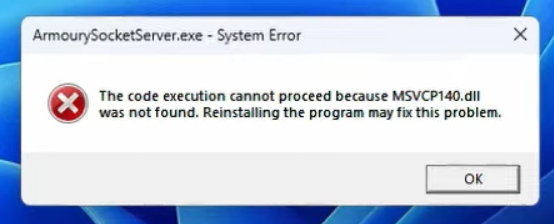
Understanding the 'msvcp140.dll Not Found' Error
What is msvcp140.dll?
msvcp140.dll is a dynamic link library file associated with Microsoft Visual C++ Redistributable for Visual Studio 2015, 2017, and 2019. It contains essential code libraries used by Windows applications developed with Visual C++ to perform various functions. When an application requires this DLL and it’s absent or corrupted, the system displays the error message:
"The code execution cannot proceed because msvcp140.dll was not found."
Common causes of the error
Several issues can trigger this DLL error:
- Missing or deleted DLL file: Accidental deletion or malware removal.
- Corrupted DLL: Files damaged by unsafe shutdowns, software conflicts, or malware.
- System file corruption: Damaged system files affecting the DLL.
- Outdated or missing Visual C++ Redistributable: If your system lacks the required runtime libraries, applications can't locate msvcp140.dll.
- Registry errors: Invalid entries linking to the DLL, often caused by incomplete uninstalls or malware.
Applications affected
This error impacts a wide array of programs, including:
- Games: Many modern games depend on Visual C++ libraries.
- Productivity software: Adobe Photoshop, Microsoft Office, and others.
- Custom or third-party programs with C++ components.
- System utilities that require core Windows functions.
Troubleshooting the Error Step-by-Step
Before diving into manual fixes, start with basic troubleshooting to eliminate common issues.
Basic troubleshooting
- Restart your computer: Many transient errors resolve after a simple reboot.
- Run a virus/malware scan: Malicious software can delete or corrupt DLL files.
- Update Windows: Install the latest updates to fix bugs and security vulnerabilities.
- Close unnecessary programs: Ensure no other application is conflicting with your target program.
Checking system integrity with SFC and DISM
System File Checker (SFC) and Deployment Image Servicing and Management (DISM) are built-in Windows tools that repair corrupt system files. Run SFC:
- Open Command Prompt as administrator.
- Type:
sfc /scannow
and press Enter.
-
Wait for the scan to complete and follow any prompts to repair files. Run DISM (if SFC reports errors):
-
In Command Prompt, type:
DISM /Online /Cleanup-Image /RestoreHealth
and press Enter.
- After the process completes, rerun the SFC command. These tools can fix system corruptions affecting DLL files, including msvcp140.dll.
Manual Repair Methods
If basic troubleshooting doesn’t resolve the issue, manual repairs are necessary.
Downloading the DLL from official sources
Avoid shady websites promising free DLL downloads. Instead, get msvcp140.dll from the official Microsoft Visual C++ Redistributable packages.
- Visit the Microsoft Download Center.
- Download the Visual C++ Redistributable for Visual Studio 2015, 2017, and 2019.
- Install the package and restart your computer. This process ensures that the correct version of the DLL is installed securely on your system.
Registering DLL with RegSvr32
In some cases, after restoring the DLL file, you might need to register it:
1. Place the msvcp140.dll file into the C:\Windows\System32\ directory.
2. Open Command Prompt as administrator.
3. Enter:
regsvr32 C:\Windows\System32\msvcp140.dll
- Restart your PC and check if the error persists.
Replacing DLL manually
If you prefer to manually replace the DLL:
- Ensure your system is protected (antivirus active).
- Download the correct DLL version from the official Microsoft sources.
- Place it in the
C:\Windows\System32\folder (for 64-bit Windows, also consider theSysWOW64folder). - Register the DLL as described above.
Using DLL Repair Tools and Official Downloads
Recommended repair tools
Several reputable utilities can automate DLL repair:
- Dll_files fixer: A tool designed to scan and fix missing or corrupted DLL files.
- Restoro: Repairs system files, replaces damaged DLLs, and optimizes system health.
- CCleaner: Includes a registry cleaner that can fix invalid DLL references. Note: Always download software from official websites to avoid malware.
Official runtime download links
Always prefer official Microsoft sources for runtime libraries:
- Microsoft Visual C++ Redistributable: Download here.
- Ensure you select the version compatible with your system architecture (x86 or x64).
Preventative Measures and Best Practices
Maintaining a healthy system minimizes DLL errors and ensures smoother operation.
Regular system updates
- Enable automatic Windows Updates.
- Manually check for updates regularly via Settings > Update & Security.
Driver updates
- Keep hardware drivers current, especially graphics, sound, and chipset drivers.
- Use Windows Device Manager or manufacturer tools.
Security practices
- Use reliable antivirus software.
- Avoid downloading files from untrusted sources.
- Be cautious with software installations and uninstalls, and clean residual files.
Additional tips
- Create regular system restore points.
- Back up important files periodically.
- Use disk cleanup tools to free space and reduce file corruption chances.
Conclusion
Dealing with "the code execution cannot proceed because msvcp140.dll was not found" can be straightforward if approached systematically. Start with basic troubleshooting, ensure your system and Visual C++ Redistributables are current, and manually replace or repair DLL files when needed. Utilizing official sources and tools not only resolves the current error but also safeguards your system against future issues. Regular maintenance, updates, and security practices are key to preventing DLL-related errors and ensuring a stable Windows environment. If the problem persists despite these efforts, consider consulting a professional technician to diagnose deeper system problems. Keeping your system healthy will help avoid disruptions and ensure your applications run smoothly.
Stay proactive in system maintenance, and don’t hesitate to seek expert help when necessary. Your smooth computing experience depends on it!