Dealing with Windows system errors can be frustrating, especially when they disrupt your workflow or hinder your computer’s stability. Among these errors, issues related to user32.dll are quite common and often perplexing for users ranging from IT professionals to everyday Windows users. This DLL (Dynamic Link Library) file plays a vital role in Windows’ core functions, and problems with it can lead to crashes, unresponsive programs, or startup errors.
In this comprehensive guide, we will explore what user32.dll is, why errors related to it occur, and most importantly, how to troubleshoot and fix these issues effectively. Whether you're facing missing DLL errors, failed loading problems, or entry point notifications, this article provides practical, step-by-step solutions to restore your system's health.
Understanding user32.dll and Its Functions
DLL Fundamentals
A DLL (Dynamic Link Library) like user32.dll is a collection of code and data that can be used by multiple programs simultaneously. Instead of embedding all functions into every application, Windows uses DLLs to share common code, making the system more efficient and easier to update.
Role in Windows System
user32.dll is particularly crucial because it contains functions responsible for managing the Windows user interface. It handles tasks such as creating, displaying, and interacting with windows, managing user input via the keyboard and mouse, and processing system messages. Essentially, user32.dll acts as the backbone behind many GUI (Graphical User Interface) interactions in Windows. Because of its central role, any corruption, deletion, or loading issues related to user32.dll can cause serious system instability—ranging from application crashes to startup failures and error messages.
Common user32.dll Errors and Their Causes
Error Types
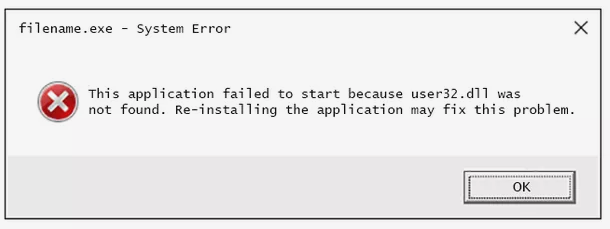
Here are some of the typical error messages that Windows users encounter related to user32.dll:
"The procedure entry point could not be located in dynamic link library user32.dll.""user32.dll is missing.""Failed to load user32.dll.""user32.dll is either not designed to run on Windows or it contains an error."These errors often appear during system boot-up, application launches, or after installing updates.
Root Causes
Several causes can lead to user32.dll errors, including:
- File corruption: System crashes, improper shutdowns, or malware infections can corrupt the DLL.
- Accidental deletion: User or software actions might inadvertently remove or overwrite the DLL.
- Compatibility issues: Mismatch between Windows versions and DLL versions, especially after upgrading or updating software.
- Malware infections: Viruses and malware sometimes replace or delete system DLLs to manipulate system behavior or evade detection.
- Hardware issues: Faulty RAM or storage can lead to file corruption, impacting DLL files. Understanding these causes helps clarify which troubleshooting approach is most suitable.
Troubleshooting User32.dll Errors
Initial Troubleshooting Steps
Before delving into complex solutions, try these quick checks:
- Restart your computer to see if the error was a temporary glitch.
- Close unnecessary programs that might interfere.
- Scan for malware using trusted antivirus software.
- If the error appears during startup, try booting into Safe Mode to isolate the issue.
Using System File Checker (SFC) and DISM
Windows provides built-in tools to repair corrupted system files like user32.dll:
- System File Checker (SFC):
- Open Command Prompt as Administrator.
- Type:
sfc /scannowand press Enter. -
Wait for the scan to complete. If corrupt files are detected, Windows will attempt to repair them automatically.
-
Deployment Image Servicing and Management (DISM):
- In the same elevated Command Prompt, type:
DISM /Online /Cleanup-Image /RestoreHealth - Press Enter and wait for the process to finish.
- Run
sfc /scannowagain to confirm repairs.
Safe Mode and Dependency Checks
- Boot into Safe Mode to disable third-party interference and see if the error persists.
- Use tools such as Event Viewer to check for related system errors.
- Verify that your Windows is up to date, as updates often include important fixes.
Manual Repair Methods for user32.dll Issues
In some cases, automated tools may not fix DLL problems, and manual interventions are necessary.
Manual Replacement
- Download a clean version of user32.dll compatible with your Windows version from a trusted source or the official Microsoft repository.
- Boot into Safe Mode.
- Navigate to
C:\Windows\System32and back up the existing user32.dll (e.g., rename it touser32_old.dll). - Place the new user32.dll in the same folder.
- Restart your computer. Note: Be cautious when replacing DLL files manually—using Windows System File Checker is usually safer.
Using RegSvr32
While RegSvr32 is more often used to register COM DLLs, some DLLs require registration:
1. Open Command Prompt as Administrator.
2. Type:
regsvr32 user32.dll
3. Press Enter. If successful, you'll see a confirmation message.
Restoring from Backup
If you have system restore points or system image backups, restoring to a previous state can recover a healthy copy of user32.dll.
Prevention and Best Practices
To minimize future DLL errors, adopt these preventive strategies:
Regular Updates
- Keep Windows and all drivers up to date. Install critical updates promptly to benefit from bug fixes and security patches.
Security Measures
- Install and maintain reputable antivirus software.
- Avoid downloading files from untrusted sources, and be cautious with email attachments.
System Maintenance
- Run regular disk cleanups and defragmentation.
- Use built-in troubleshooting tools, such as Windows Troubleshooter.
Backup and Recovery
- Regularly back up important data and create system restore points.
- Keep recovery media handy for quick repairs.
Conclusion
user32.dll is an essential component of Windows, integral to system stability and user interface operation. Errors related to this DLL, while common, are fixable through a combination of automated tools, manual repairs, and preventive practices. Recognizing the causes—such as corruption, deletion, or malware—guides appropriate troubleshooting steps. By following the strategies outlined in this guide, you can resolve current user32.dll errors and establish ongoing measures to prevent future issues. Remember, maintaining updated, well-protected system files and backups is key to ensuring your Windows environment remains smooth, secure, and reliable. If you encounter persistent problems after attempting these solutions, consider consulting a professional technician for advanced diagnostics and repairs.
Stay proactive with your system maintenance, and Windows will serve you reliably for years to come!