Introduction In the landscape of modern software development, libraries and DLL (Dynamic Link Library) files are fundamental building blocks that enable seamless functionality, especially within the .NET ecosystem. Among the most widely used such libraries is Newtonsoft.Json.dll, a vital component for handling JSON serialization and deserialization in countless applications. However, developers and IT professionals frequently encounter issues with Newtonsoft.Json.dll, ranging from missing files to dependency conflicts. These errors can disrupt application performance and compromise productivity. If you’re facing error messages related to Newtonsoft.Json.dll, this comprehensive troubleshooting guide is designed to help you understand the root causes and implement effective solutions. By following these step-by-step instructions, you can restore stability to your applications and prevent future DLL-related problems.
Understanding Newtonsoft.Json.dll and Its Role
What is Newtonsoft.Json.dll?
Newtonsoft.Json.dll is a core component of the popular Json.NET library, developed by James Newton-King. It provides robust tools for reading, writing, and manipulating JSON data within .NET applications. As a highly flexible and performant serialization library, it's widely adopted across various projects—from web APIs to desktop applications. In essence, Newtonsoft.Json.dll enables applications to:
- Serialize objects into JSON strings
- Deserialize JSON data into objects
- Perform complex JSON transformations
- Validate JSON schemas This DLL's efficiency and ease of use have earned it a central place in many development stacks.
Common applications and frameworks relying on Newtonsoft.Json.dll
Many frameworks and tools integrate Newtonsoft.Json.dll, including:
- ASP.NET Core and ASP.NET MVC projects
- Xamarin mobile applications
- Unity game engine scripts
- PowerShell scripts utilizing JSON data
- Visual Studio extensions and plugins Ensuring the integrity and availability of Newtonsoft.Json.dll is crucial for the smooth functioning of these environments.
Common Errors Related to Newtonsoft.Json.dll
While highly reliable, Newtonsoft.Json.dll can produce errors under certain circumstances. Understanding these typical issues is the first step toward effective troubleshooting.
Typical error messages include:
1. Missing Newtonsoft.Json.dll
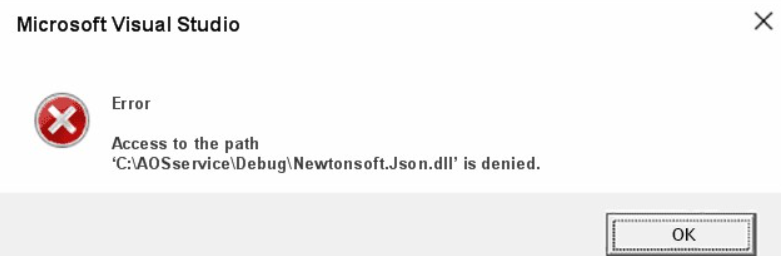
Error message example:
“Could not load file or assembly 'Newtonsoft.Json, Version=12.0.0.0, Culture=neutral, PublicKeyToken=30ad4fe6b2a6aeed' or one of its dependencies. The specified module could not be found.” Cause: The DLL is either absent from the application's directory, referenced incorrectly, or was never installed.
2. Corrupted DLL file
Symptoms:
Application crashes unexpectedly or throws exceptions during runtime indicating that the DLL is corrupt.
Cause: Improper manual DLL replacement, disk errors, or malware infections.
3. Failed to load due to dependency conflicts
Error message example:
“An attempt was made to load a program with an incorrect format.” Cause: Mismatch between 32-bit and 64-bit DLLs or incompatible application targets.
4. Entry Point Not Found errors
Error message example:
“Entry point 'Newtonsoft.Json.JsonConvert' not found.” Cause: Version mismatches or incomplete DLL updates.
Troubleshooting and Manual Repair Steps
Resolving Newtonsoft.Json.dll errors often involves diagnosing the specific issue and applying targeted fixes. Below are detailed strategies for common problems.
Verifying DLL presence and integrity
-
Check if the DLL exists:
Navigate to your application's bin or lib folder and confirm if Newtonsoft.Json.dll is present. -
Verify version consistency:
Use tools such as ILSpy or dotPeek to open the DLL and confirm its version matches the expected one for your application. -
Test DLL integrity:
Run integrity checks or replace the DLL with a freshly downloaded version from the official NuGet package or the Newtonsoft.Json GitHub repository.
Reinstalling or updating Newtonsoft.Json.dll
- Use NuGet Package Manager in Visual Studio:
- Open Tools > NuGet Package Manager > Manage NuGet Packages for Solution
- Search for Newtonsoft.Json and update to the latest stable version
- Alternatively, run the following command in Package Manager Console:
Update-Package Newtonsoft.Json
Manual replacement of the DLL file
- Download the correct version of Newtonsoft.Json.dll from the NuGet Gallery or from the official GitHub repository.
- Backup the existing DLL in your project directory.
- Replace the old DLL with the new one, ensuring it matches your application’s architecture (x86 or x64).
- Rebuild your solution and test the application.
Registering DLL using RegSvr32
Most .NET DLLs do not require registration, but if necessary:
regsvr32 path\to\Newtonsoft.Json.dll
Note: This step is typically unnecessary for managed DLLs like Newtonsoft.Json.
Checking for dependency issues
- Use dependency walker tools like Dependency Walker (depends.exe) to identify missing or incompatible dependencies.
- Ensure the target environment has the required .NET Framework or .NET Core runtime installed.
Advanced Solutions and Best Practices
To proactively handle and prevent Newtonsoft.Json.dll errors, apply the following best practices:
Resolving dependency conflicts
- Use binding redirects in your application's app.config or web.config:
<configuration>
  <runtime>
    <assemblyBinding xmlns="urn:schemas-microsoft-com:asm.v1">
      <dependentAssembly>
        <assemblyIdentity name="Newtonsoft.Json" publicKeyToken="30ad4fe6b2a6aeed" culture="neutral" />
        <bindingRedirect oldVersion="0.0.0.0-13.0.0.0" newVersion="13.0.0.0" />
      </dependentAssembly>
    </assemblyBinding>
  </runtime>
</configuration>
- Remove conflicting DLLs from different project references.
Using official runtime downloads
- Always prefer NuGet or official Microsoft and NewtonsoftJson sources to obtain DLLs.
- Avoid third-party or unofficial sources to minimize security risks.
System updates and environment diagnostics
- Keep your operating system and runtime frameworks up-to-date to prevent compatibility issues.
- Use Event Viewer or Application logs to gather detailed error information.
Security considerations when replacing DLLs
- Verify signatures of downloaded DLLs.
- Scan files with antivirus software prior to deployment.
- Implement access controls to prevent unauthorized DLL modifications.
Conclusion
Handling Newtonsoft.Json.dll errors effectively requires a good understanding of its role, common issues, and precise troubleshooting methods. By verifying the DLL’s presence, ensuring version consistency, managing dependencies carefully, and adhering to best practices for updates and security, you can substantially reduce the risk of runtime errors and application crashes. Remember, proactive maintenance—such as keeping libraries up-to-date and verifying environment configurations—is vital for long-term stability. If you encounter persistent or complex problems, consult official documentation or seek support from the developer community. Stay vigilant, keep your DLLs secure, and ensure your applications run smoothly with well-maintained Newtonsoft.Json.dll dependencies.
For ongoing assistance and updates, visit the Newtonsoft.Json GitHub repository or consult relevant developer forums.