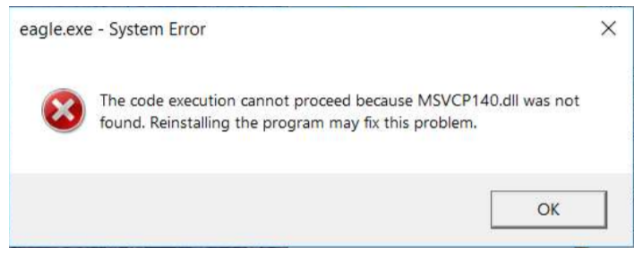
Overview of the 'msvcp140_atomic_wait.dll not found' error, its common causes, and why troubleshooting is necessary for system stability. Encountering the error message "The code execution cannot proceed because msvcp140_atomic_wait.dll was not found" can be frustrating, especially when you're eager to run a game or launch a critical application. This DLL (Dynamic Link Library) error indicates that the required system file is missing, corrupted, or incompatible, leading to crashes or failure to start software. Troubleshooting this issue promptly is essential to restore system stability, prevent data loss, and ensure your applications run smoothly. In this comprehensive guide, you'll learn the causes behind this error and practical steps to resolve it effectively.
Understanding the 'msvcp140_atomic_wait.dll' Error
What is msvcp140_atomic_wait.dll?
The msvcp140_atomic_wait.dll is part of the Microsoft Visual C++ Redistributable package, specifically related to the Visual C++ 2015-2022 runtime libraries. It contains essential functions used by many Windows applications, particularly those built with Visual C++. When an application calls upon this DLL, the system loads it into memory to execute specific functions.
Why does the error occur?
This error is typically caused by one or more of the following factors:
- Missing DLL files: The DLL may have been accidentally deleted, moved, or never installed.
- Corrupted system files: Malware infections, improper shutdowns, or disk errors can corrupt DLL files.
- Outdated or incompatible runtime libraries: Running outdated versions of Visual C++ Redistributables can cause conflicts.
- Application-specific issues: Some programs have improper installations or corrupt files that trigger DLL errors.
- System file corruption: Broader system issues can affect DLL integrity.
Symptoms and impact on system performance
Apart from the explicit error message, users may notice:
- Application crashes immediately upon launch.
- System freezes or slowdowns.
- Error messages during game or software startup.
- Overall instability affecting system performance.
Initial Troubleshooting Steps
Before diving into complex fixes, try simple, non-invasive steps that might resolve the problem.
Restart and check for updates
- Restart your computer: Sometimes, a simple reboot clears temporary glitches.
- Update Windows: Ensure your Windows OS is fully updated as updates often include vital fixes and runtime updates.
Run a malware scan
Malware can delete or corrupt DLL files. Use reputable antivirus software to run a full system scan and eliminate potential threats.
Use System File Checker (SFC)
The System File Checker scans and repairs corrupted Windows files:
1. Open Command Prompt as an administrator.
2. Type sfc /scannow and press Enter.
3. Wait for the process to complete; it will automatically fix corrupt system files if detected.
Manual Repair Methods
If basic troubleshooting doesn't solve the issue, proceed with more targeted manual fixes.
Reinstall Visual C++ Redistributable Packages
Reinstalling the latest versions of Visual C++ Redistributables ensures that missing or corrupted DLL files are restored: 1. Visit the official Microsoft Visual C++ Redistributable downloads page. 2. Download the latest x86 and x64 versions compatible with your system. 3. Run the installers and follow the on-screen instructions. 4. Restart your computer and test if the error persists.
Download and replace msvcp140_atomic_wait.dll manually
Caution: Only download DLL files from official sources to avoid malware.
1. Visit the Microsoft Official Download Center or trusted DLL repositories.
2. Download the msvcp140_atomic_wait.dll file corresponding to your system architecture.
3. Navigate to C:\Windows\System32 (for 64-bit) or C:\Windows\SysWOW64 (for 32-bit).
4. Backup the existing DLL file by copying it to a separate folder.
5. Paste the new DLL file into the appropriate directory.
6. Register the DLL:
- Open Command Prompt as Administrator.
- Type `regsvr32 msvcp140_atomic_wait.dll` and press Enter.
- Restart your computer.
Use SFC and DISM tools for system repair
Sometimes, system corruption affects multiple files:
1. Open Command Prompt as administrator.
2. Run sfc /scannow as described earlier.
3. If issues persist, run the Deployment Image Servicing and Management (DISM) tool:
- Type `DISM /Online /Cleanup-Image /RestoreHealth` and press Enter.
- Wait for the process to complete, then rerun `sfc /scannow`.
Using Official Runtime Downloads
Ensuring your DLL files come from official sources reduces the risk of malware and incompatibility issues.
Where to find official downloads
Download the Microsoft Visual C++ Redistributable Packages directly from Microsoft's website to guarantee authenticity.
Installing the runtime correctly
Run the installer, accept the license agreement, and follow the prompts. It will automatically install missing DLL files such as msvcp140_atomic_wait.dll into proper locations.
Verifying the DLL is registered and functioning
After installation, you can verify DLL registration by:
- Running
regsvr32 msvcp140_atomic_wait.dllin an elevated Command Prompt. - Using tools like Dependency Walker to analyze DLL dependencies.
Additional Tips and Preventive Measures
Prevention is better than cure. Implement these practices to avoid future DLL errors:
Keep your system updated
Regularly install Windows updates, driver updates, and application patches to ensure compatibility and security.
Perform regular virus scans
Consistent malware scans help protect system files from corruption or deletion.
Backup and restore system files
Create regular backups of your important data and utilize Windows System Restore points to revert to a stable configuration if problems occur.
Conclusion
The error message "The code execution cannot proceed because msvcp140_atomic_wait.dll was not found" can disrupt your workflows, but with systematic troubleshooting, it is resolvable. Starting with basic steps like system restarts, Windows updates, and malware scans, followed by more advanced solutions such as reinstalling the Visual C++ Redistributable packages or manually replacing DLL files, can effectively fix the problem. Remember to always download DLLs from official sources and keep your system maintained to prevent future issues. By following these guidelines, you can restore your system’s stability and enjoy uninterrupted application and gaming experiences.
Take Action Today!
If you’re still experiencing issues, don’t hesitate to revisit each step carefully, or seek professional support for in-depth troubleshooting. Ensuring your system is healthy today helps avoid more serious problems tomorrow.