Introduction
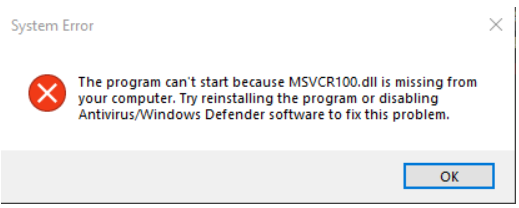
Experiencing the 'msvcr100.dll missing' error can halt your applications in their tracks, often appearing suddenly when you try to run a game, software, or even Windows itself. This frustrating message not only disrupts your workflow but can also cause widespread system instability if left unaddressed. The good news is that this error is fixable, and understanding its root causes can help you resolve it quickly and prevent future issues. In this comprehensive guide, we’ll explore what causes the msvcr100.dll missing error, how to troubleshoot it effectively, and provide step-by-step solutions tailored for Windows 7, 10, and 11 users.
Understanding the 'msvcr100.dll' File
What is msvcr100.dll?
The msvcr100.dll file is a Dynamic Link Library (DLL) component associated with Microsoft Visual C++ 2010 Runtime. DLL files contain code and data used by multiple programs simultaneously, enabling efficient software performance and modularity. Specifically, msvcr100.dll provides essential functions related to C++ runtime libraries, such as memory management, input/output operations, and other core functionalities needed by many Windows applications and games built with Visual C++.
Why does this error occur?
The 'msvcr100.dll missing' error occurs when the system or application cannot locate or load this DLL file. Causes include deletion or corruption of the DLL, failed software installations, incompatible or outdated Visual C++ Redistributable packages, or system-level issues like malware interference or disk errors.
Common Causes of the 'msvcr100.dll Missing' Error
Understanding the root causes helps in choosing the right troubleshooting approach. The most common causes are:
System file corruption
Corruption of DLL files can happen due to improper shutdowns, malware attacks, or faulty hardware. When msvcr100.dll gets corrupted or damaged, applications relying on it will generate errors.
Incorrect software installation
When programs or updates do not install properly, they often skip or corrupt critical DLL files, including msvcr100.dll. Incomplete installations can leave the system without essential runtime components.
Virus or malware issues
Malicious software can delete or modify DLL files to disrupt system stability or evade detection, leading to missing or corrupt files like msvcr100.dll.
Version conflicts
Having multiple versions of Visual C++ Redistributables or conflicting software components can cause msvcr100.dll to be incompatible, especially if an application expects a specific version.
Step-by-Step Manual Repair Solutions
Manual fixes are effective for resolving the 'msvcr100.dll missing' error if executed carefully. Here's a guide to the most reliable methods:
Reinstall Visual C++ Redistributable Package
This is often the simplest method, as the DLL is part of the Visual C++ runtime libraries.
1. Visit the official Microsoft download page:
Download Visual C++ 2010 Redistributable
2. Download the correct version for your system architecture (x86 or x64).
3. Run the installer and complete the installation process.
4. Restart your computer and try launching the application again.
Manual DLL Replacement
If the problem persists, you can manually replace the missing or corrupted DLL: 1. Download a clean, trusted copy of msvcr100.dll from a reputable source (preferably from your Windows installation or official Microsoft archives). Avoid third-party sites that distribute DLL files, as they may be unsafe. 2. Locate your system directory:
C:\Windows\System32\for 64-bit systemsC:\Windows\SysWOW64\for 32-bit systems- Copy the downloaded msvcr100.dll files into the appropriate folder.
-
Register the DLL using Command Prompt:
-
Press
Win + R, typecmd, press Enter. - Enter:
regsvr32 msvcr100.dll - Press Enter. You should see a confirmation message.
- Reboot your PC and check if the error is resolved.
Using RegSvr32
The regsvr32 utility registers DLL files in the Windows registry, ensuring they are properly recognized and loaded.
regsvr32 msvcr100.dll
Run this command in Command Prompt with administrator privileges to avoid permission issues.
Running SFC and DISM Commands
These tools repair corrupted system files:
- System File Checker (SFC):
sfc /scannow
- Deployment Image Servicing and Management (DISM):
DISM /Online /Cleanup-Image /RestoreHealth
Steps:
1. Open Command Prompt as administrator.
2. Run sfc /scannow and wait for the scan to complete.
3. Follow with DISM /Online /Cleanup-Image /RestoreHealth.
4. Restart your computer afterward.
Alternative Methods to Resolve the Error
If manual methods don’t work, consider these additional strategies:
System Restore
Restoring your system to a previous point can undo recent changes that caused DLL issues. 1. Search for "System Restore" in the Start menu. 2. Select "Create a restore point" > "System Restore." 3. Choose a restore point before the error appeared. 4. Follow prompts to restore your system.
Safe Mode Troubleshooting
Booting into Safe Mode helps identify if third-party software or drivers cause the error:
1. Restart your PC and repeatedly press F8 or Shift + Restart for Windows 10/11.
2. Select "Safe Mode" from the menu.
3. Once in Safe Mode, attempt to run affected applications or perform repairs.
Updating Drivers
Outdated or incompatible drivers might interfere with DLL loads:
1. Open Device Manager (Win + X > Device Manager).
2. Right-click on device categories and select "Update driver."
3. Follow prompts to ensure drivers are current.
Preventive Tips and Best Practices
Prevention is better than cure. Here’s how to minimize future errors:
Keep Windows updated
Regular updates ensure system stability and security, including fixes for DLL issues.
- Go to Settings > Update & Security > Windows Update.
- Click "Check for updates."
Run antivirus scans
Frequent scans help detect and remove malware that could corrupt DLL files:
- Use Windows Defender or trusted third-party antivirus software.
Backup system files
Regular backups allow quick recovery if system files become compromised.
- Use built-in Windows Backup or third-party tools to create restore points.
Proper software installation
Always download software from reputable sources and follow recommended installation procedures.
Conclusion
The 'msvcr100.dll missing' error can be a nuisance, but with a clear understanding of its causes and systematic troubleshooting, you can resolve it effectively. Whether it's reinstalling the Visual C++ Redistributable, manually replacing DLL files, or running system repair commands, these steps help restore your system’s stability and ensure your applications run smoothly. Remember to keep your system updated, run regular security scans, and maintain good software practices to prevent future DLL-related issues. If problems persist despite your efforts, don’t hesitate to seek professional help—sometimes, expert intervention is the fastest route to resolution.
Take action now to fix the msvcr100.dll missing error and regain seamless system operation!