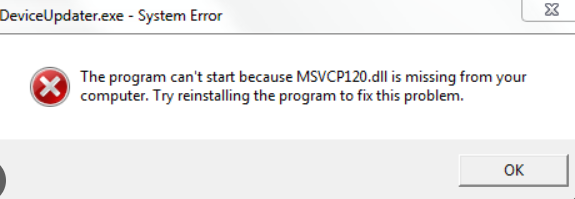
DLL errors, especially those involving critical system files like msvcp120.dll, can be a frustrating roadblock for Windows users. Whether you're encountering missing DLL files while launching your favorite game, running essential software, or during system startup, these errors can significantly hinder your productivity and user experience. Understanding the importance of the msvcp120.dll file and knowing how to troubleshoot these issues is essential to restoring your system’s stability and ensuring smooth application performance. In this comprehensive guide, we'll explore what msvcp120.dll is, uncover the common causes behind its errors, and provide detailed, step-by-step solutions to fix the problem effectively. Whether you're using Windows 10 or Windows 11, the troubleshooting tips in this article will help you resolve msvcp120.dll errors and prevent future occurrences.
Understanding msvcp120.dll and Its Role
What Is msvcp120.dll?
msvcp120.dll is a Dynamic Link Library (DLL) file — a shared software component used by multiple programs within Windows. Specifically, this DLL is part of the Microsoft Visual C++ 2013 Redistributable package and contains essential functions used by applications developed in C++. When an application requires certain runtime components to operate smoothly, it calls functions from DLL files like msvcp120.dll.
The Function of msvcp120.dll in Windows and Applications
This DLL provides core functionalities such as memory management, input/output operations, and data handling to programs that depend on Visual C++ libraries. Many popular applications, including games, office tools, and development environments, rely on msvcp120.dll. If the file is missing or corrupted, these applications may fail to launch, presenting errors like "msvcp120.dll was not found" or "The code execution cannot proceed because msvcp120.dll was not found."
Why Might msvcp120.dll Go Missing or Become Corrupted?
Several reasons can lead to the absence or corruption of this DLL file, including:
- Accidental deletion during software uninstallation or manual cleaning
- File corruption due to system crashes, malware, or abrupt shutdowns
- Outdated or incompatible Visual C++ Redistributable packages
- Malware infections that delete or corrupt system files
- Registry issues that disrupt proper DLL functioning
Common Causes of msvcp120.dll Errors
Understanding what causes msvcp120.dll errors can help you troubleshoot more effectively. Here are the primary reasons:
System File Corruption
Over time, system files like msvcp120.dll can become corrupted due to improper shutdowns, software conflicts, or hardware failures. Corrupt files prevent applications from accessing necessary resources, leading to DLL errors.
Registry and Dependency Issues
Windows relies on the registry to manage DLL dependencies. If entries related to msvcp120.dll are damaged or missing, applications cannot locate the DLL, resulting in errors. Software conflicts or incomplete updates may also lead to registry hitches.
Malware and Virus Impact
Malicious software can delete, corrupt, or alter DLL files to cause errors or evade detection. Sometimes, malware disguises itself as legitimate DLL files, leading to system instability.
Step-by-Step Manual Repair Guide
Addressing msvcp120.dll errors often requires a combination of reinstalling packages, repairing system files, or deleting and replacing the problematic DLL directly. Here are detailed solutions to fix the error:
Reinstall Visual C++ Redistributable
Since msvcp120.dll is part of the Visual C++ 2013 Redistributable: 1. Download the latest Visual C++ 2013 Redistributable package from the official Microsoft website. 2. Choose the correct version (x86 or x64) based on your Windows architecture. 3. Run the installer and follow the on-screen prompts to repair or reinstall the package. 4. After completion, restart your PC and test whether the error persists. Tip: Reinstalling the redistributable often resolves missing or corrupted DLL issues linked to msvcp120.dll.
Manual DLL Replacement
If the DLL file is genuinely missing or corrupted, you can manually replace it:
1. Download a clean copy of msvcp120.dll from a reputable source or extract it from a trusted, intact version of the Visual C++ Redistributable installer.
2. Navigate to C:\Windows\System32 (for 64-bit Windows, also check SysWOW64).
3. Backup the existing DLL if it exists (rename to msvcp120_backup.dll).
4. Copy the fresh DLL into the folder.
5. Register the DLL:
- Open Command Prompt as Administrator.
- Type:
regsvr32 msvcp120.dlland press Enter. - Restart your computer and verify if the DLL error is resolved.
Using System File Checker (SFC)
SFC scans and repairs corrupted system files:
1. Open Command Prompt as Administrator.
2. Type: sfc /scannow and press Enter.
3. Wait for the scan to complete and follow any on-screen instructions.
4. Reboot your PC and check if the error persists.
Repair via DISM
Deployment Image Servicing and Management (DISM) helps fix corrupted Windows images:
1. Launch Command Prompt with admin rights.
2. Enter: DISM /Online /Cleanup-Image /RestoreHealth.
3. Allow the process to complete, then restart your system.
4. Run SFC again to ensure all system files are intact.
Preventive Tips and Best Practices
Preventing future msvcp120.dll errors involves proactive maintenance:
Updating Windows and Drivers
Regularly update your Windows OS and hardware drivers to ensure all system components are current, which reduces compatibility issues that can cause DLL errors.
- Use Windows Update to receive the latest patches.
- Update device drivers via Device Manager or manufacturer websites.
Regular Malware Scans
Malware is a common culprit behind DLL corruption.
- Use reputable antivirus or anti-malware programs.
- Perform full system scans periodically to detect and eliminate threats.
Creating System Restore Points
Before installing new software or updates:
- Create a system restore point to revert your system to a stable state if needed.
- To do this, search "Create a restore point" in the Windows search bar and follow the prompts.
Conclusion
Dealing with msvcp120.dll not found or corrupted errors can seem daunting, but with methodical troubleshooting, you can resolve these issues effectively. Reinstalling the Visual C++ Redistributable package, manually replacing the DLL, repairing system files with SFC and DISM, and maintaining your system through updates and malware scans are proven strategies. If troubles persist after trying these steps, consider consulting a professional technician or IT support expert to prevent further system instability. Remember, keeping your system updated and secure is the best way to minimize DLL errors and ensure applications run smoothly.
Take action now to fix your msvcp120.dll errors and restore your Windows system’s stability!