Dealing with DLL errors, especially the notorious msvcp140d.dll missing error, can be a frustrating experience for Windows users. Whether you're a gamer trying to launch your favorite game, a software developer working on applications, or an IT professional maintaining system health, encountering issues with missing or corrupted DLL files can disrupt your workflow and compromise system stability. This comprehensive guide aims to shed light on the causes behind the msvcp140d.dll error, provide effective troubleshooting methods, and offer best practices to prevent similar issues in the future.
Understanding the 'msvcp140d.dll' File and Its Role
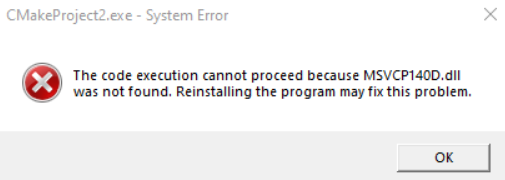
What is msvcp140d.dll?
msvcp140d.dll is a dynamic link library (DLL) file associated with the Microsoft Visual C++ Debug Library. It is part of the Visual C++ Redistributable package, which supplies essential runtime components necessary for applications developed using Microsoft Visual C++ to run correctly on your Windows system. This particular DLL contains functions related to the C++ Standard Library and supports debugging and development activities. It is primarily used during software development and testing phases, and the "d" in msvcp140d.dll signifies that it is the debug version of the library, intended for developers to use while debugging code.
Why does this DLL go missing or become corrupted?
The msvcp140d.dll file might be missing or damaged for various reasons:
- Development or debugging environment conflicts: If you install a debug build of an application on a system lacking the associated debug DLLs, errors can occur.
- Incomplete or faulty software installation: Corrupted installations or interrupted update processes might leave DLL files missing or incomplete.
- Malware infections: Malicious software can delete or damage DLL files, including msvcp140d.dll.
- System file corruption: Hardware issues or improper shutdowns can lead to corruption of system files, affecting DLL integrity.
- Accidental deletion: Manual deletion or cleanup tools may mistakenly remove essential DLL files. Understanding these causes helps guide the troubleshooting steps more effectively.
Common Causes of the msvcp140d.dll Error
1. System File Corruption
Corrupted system files due to hardware failure, sudden shutdowns, or improper updates can result in missing or damaged DLL files, including msvcp140d.dll.
2. Incomplete or Faulty Software Installation
If an application or game that depends on this DLL was not installed correctly—perhaps interrupted during installation—the necessary DLL files might be absent or corrupted.
3. Malware Infections
Malicious software can target DLL files to cause errors or evade detection, leading to missing or compromised files that result in runtime errors like the msvcp140d.dll missing error.
Effective Troubleshooting and Repair Methods
Resolving msvcp140d.dll errors involves several practical steps. Follow these methods systematically to restore your system's stability.
1. Reinstall the Application or Game
Often, the simplest solution is to uninstall and then reinstall the affected software:
- Go to Control Panel > Programs > Uninstall a Program.
- Locate the problematic application.
- Uninstall it completely.
- Download the latest version from the official source and install it again. This process ensures all necessary files, including DLLs, are correctly placed.
2. Download and Install the Official Microsoft Visual C++ Redistributable Package
Since msvcp140d.dll is part of the Visual C++ Redistributable, downloading and installing the latest version can resolve missing DLL errors:
- Visit the official Microsoft Download Center.
- Download the appropriate package (x86 or x64) based on your system.
- Run the installer and follow prompts to complete installation.
- Restart your computer, then try launching the application again. Note: For debug DLLs like msvcp140d.dll, which are primarily used during development, consider installing the Debug version only if necessary. For end-users, the Release version (without the 'd') often suffices.
3. Use System File Checker (SFC) and Deployment Image Servicing and Management (DISM)
System tools can scan and repair corrupted system files:
- Open Command Prompt as Administrator.
-
Run the SFC scan:
sfc /scannow -
Wait for the process to complete. If errors are found and fixed, restart your PC.
-
Run DISM to repair the system image:
DISM /Online /Cleanup-Image /RestoreHealth -
After DISM completes, run SFC again to ensure all system files are restored.
4. Perform System Restore to Revert Recent Changes
If the error appeared after a recent update or software installation, reverting to a previous system restore point can fix the issue:
- Search 'Create a restore point' in the Start menu.
- Click System Restore and follow the wizard.
- Choose a restore point prior to the issue's onset.
- Complete the restoration process and restart your PC.
5. Manual Replacement of the DLL File
If you have access to a trusted source of msvcp140d.dll, you can manually replace the missing file:
- Download the DLL file from a reputable source or extract it from a legitimate Visual C++ Redistributable package.
- Place the DLL in the application's installation directory or C:\Windows\System32.
-
Register the DLL by opening Command Prompt as Administrator and typing:
regsvr32 msvcp140d.dll -
Restart your computer and test the application. Warning: Always use caution when downloading DLL files from third-party sources to avoid malware exposure.
Preventive Measures and Best Practices
Prevention is better than cure when it comes to DLL errors. Implement these strategies to maintain system stability:
1. Regular System Updates
Keep your Windows OS and installed applications up to date. Many updates include patches that fix vulnerabilities and improve system file integrity.
2. Use Trusted Sources for Downloads
Always download software, updates, and DLL files from official or trusted sources. Avoid shady websites that distribute pirated or modified files, which could contain malware.
3. Maintain Antivirus Protection
Use a reliable antivirus program and perform regular scans to detect and remove malware that could corrupt DLL files or other system components.
4. Backup Your System
Regular backups of your system allow you to restore it to a healthy state if issues occur, including DLL errors.
Conclusion
The msvcp140d.dll missing or corrupted error can hinder your productivity, gaming experience, or development efforts. Understanding the role of this DLL, recognizing common causes of errors, and following systematic troubleshooting methods can help resolve the issue effectively. Remember to keep your system updated, use trusted sources, and maintain good security practices to prevent future DLL-related problems. By following these guidelines, you can restore system stability and ensure smoother performance for your Windows environment.
If you encounter persistent msvcp140d.dll errors despite following these steps, consider consulting a professional technician to diagnose potential hardware issues or deep-seated system corruptions.
Stay proactive about your system health—and happy computing!