Dealing with errors on your Windows 11 device can be frustrating, especially when they appear unexpectedly and disrupt your workflow. One common issue many users face is the "msvcp120.dll missing" error. This problem typically appears when you try to open a program or game that relies on certain runtime files, and it can prevent you from using essential applications. Resolving this error promptly is crucial not just for restoring functionality but also for maintaining your system's stability. Whether you're a tech novice or an intermediate user, this comprehensive guide will walk you through understanding the error, its causes, and effective solutions to fix the msvcp120.dll missing problems on Windows 11.
Understanding the msvcp120.dll Error
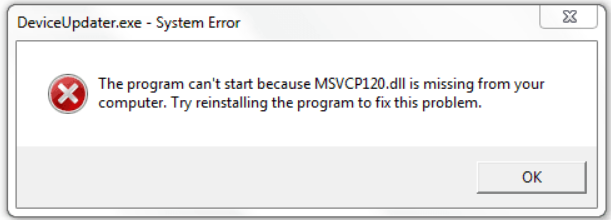
What is msvcp120.dll?
The msvcp120.dll is a Dynamic Link Library (DLL) file that belongs to the Microsoft Visual C++ Redistributable package. Essentially, DLL files contain code and data shared across multiple programs, enabling software to run efficiently and with less redundancy. Specifically, msvcp120.dll is part of the Microsoft Visual C++ 2013 Redistributable package. It's crucial for executing applications built with Visual Studio 2013, especially those that require runtime components to operate properly. Without this DLL, programs that depend on it won't function correctly, leading to error messages.
Why does this error happen on Windows 11?
The "msvcp120.dll missing" error can occur for several reasons, particularly on Windows 11, where compatibility issues, updates, and system changes are frequent:
- Corrupted or deleted DLL files: Accidental deletion, malware, or system corruption can remove or damage the DLL.
- Missing or outdated Visual C++ Redistributable: If the necessary runtime files are not installed or outdated, applications can't find msvcp120.dll.
- Incomplete software installation or updates: Sometimes, software installs or updates don't complete successfully, leaving critical files missing.
- System file corruption: Windows system files may become corrupted due to improper shutdowns or malware.
- Malware infections: Malicious software can delete or sabotage DLL files, leading to missing component errors.
Symptoms and impact of the missing DLL error
When msvcp120.dll goes missing, you might encounter:
- Error messages like "The code execution cannot proceed because msvcp120.dll was not found".
- Programs failing to open or crashing unexpectedly.
- System slowdowns or instability.
- Disruption in gaming, editing software, or applications built on Visual C++. The impact can vary from minor annoyances to critical system errors, so addressing this issue promptly ensures your Windows 11 runs smoothly.
Common Causes of the “msvcp120.dll Missing” Error
Understanding what leads to this DLL error enables you to prevent future occurrences. Here are the most common causes:
1. Corrupted System Files
Over time, system files may become corrupted due to improper shutdowns, hardware failures, or malware infections, causing DLLs like msvcp120.dll to go missing or malfunction.
2. Incomplete Visual C++ Redistributable Installation
If the necessary runtime files aren’t fully installed or get corrupted during updates or software installation, certain applications won’t find the DLL they depend on.
3. System Updates or Software Conflicts
Updating Windows or installing incompatible software may introduce conflicts or overwrite existing DLL files, leading to missing components.
4. Malware Infections
Malware often sabotages DLL files by deleting or corrupting them to disrupt normal operations, which can trigger missing DLL errors.
Step-by-Step Solutions to Fix the Issue
Now, let’s explore effective methods to resolve the msvcp120.dll missing error on Windows 11. These solutions range from simple reinstallations to more advanced system repairs.
1. Reinstall Visual C++ Redistributable Packages
Since msvcp120.dll is part of the Visual C++ 2013 Redistributable, reinstalling it is often the most direct fix. Step-by-step:
- Visit the official Microsoft download page: Microsoft Visual C++ 2013 Redistributable
- Download the appropriate version for your system (x86 for 32-bit or x64 for 64-bit).
- Run the installer and choose Repair if already installed, or Install if not.
- Restart your computer and check if the error persists.
2. Run System File Checker (SFC) and DISM Scans
Corrupted system files can be fixed using built-in Windows tools. Steps:
- Open Command Prompt as an administrator:
- Press Windows + X and select Windows Terminal (Admin) or Command Prompt (Admin).
-
Type the following command to scan for system errors and fix them:
bash sfc /scannow -
After completion, run the Deployment Image Servicing and Management (DISM) tool:
bash DISM /Online /Cleanup-Image /RestoreHealth -
Restart your PC and see if the error is resolved.
3. Use System Restore to Revert to a Previous Stable State
If the error appeared after recent changes, restoring your system to an earlier state might help. Steps:
- Search for System Restore in Windows Search and select Create a restore point.
- Click the System Restore button.
- Follow the prompts to choose a restore point before the error occurred.
- Complete the restore process and check if the DLL error is gone.
4. Manually Replace or Restore msvcp120.dll
If you prefer manual fixing:
- Download the msvcp120.dll file from a reputable source or copy it from a working system.
- Place the DLL in the application's installation folder or the Windows system directory:
- For 64-bit systems, paste into
C:\Windows\System32\. - For 32-bit systems, paste into
C:\Windows\SysWOW64\. - Register the DLL:
- Open Command Prompt as administrator.
-
Type:
bash regsvr32 msvcp120.dll -
Restart your PC. Note: Always ensure that DLL files are obtained from reputable sources to avoid malware.
5. Scan for Malware and Remove Infections
Malware can be a root cause of DLL errors:
- Use Windows Defender or trusted antivirus solutions like Malwarebytes.
- Run a full system scan.
- Remove any detected threats.
- Reboot and check if the error persists.
Preventing Future DLL Errors and System Stability Tips
Proactive maintenance can significantly reduce future errors related to DLL files and system stability.
1. Keep Windows Updated
Regularly install Windows updates to ensure system components and security patches are current.
- Go to Settings > Windows Update and click Check for updates.
2. Install Official Runtime Files
Always download Visual C++ Redistributable packages from official sources to ensure compatibility and security.
3. Use Reliable Antivirus and Anti-Malware Solutions
Installing trusted security software and performing regular scans can prevent malware infections that damage DLL files.
4. Create System Restore Points
Regularly back up your system:
- Search Create a restore point and enable System Protection.
- Manually create restore points before major updates or software installations.
Conclusion
The msvcp120.dll missing error on Windows 11 can be disruptive but is widely fixable through systematic troubleshooting. Reinstalling the Visual C++ Redistributable, running system health checks, restoring your system, or manually replacing the DLL are effective strategies. Preventative measures like keeping Windows updated and running security scans are vital for system health. If you've tried these steps and the problem persists, consider seeking professional technical support to diagnose deeper system issues. Maintaining a clean, updated, and stable system not only resolves current errors but also mitigates future problems, ensuring a smoother Windows 11 experience.
Remember: Handling system files and DLLs requires caution. Always back up your data before making significant changes, and rely on official sources whenever possible. Happy computing!