Introduction
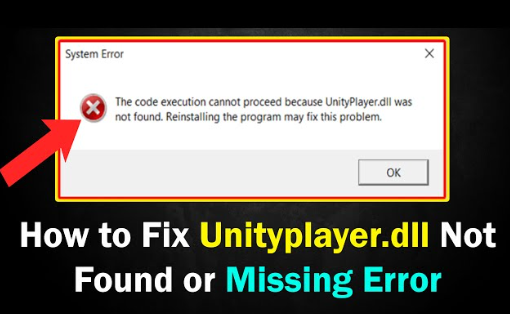
If you've encountered a unityplayer.dll error while launching a Unity-based game or application, you're not alone. These errors can cause crashes, failed startups, or degraded performance, frustrating gamers and developers alike. unityplayer.dll is an essential dynamic link library (DLL) required for the proper functioning of Unity-powered games and applications. When issues arise with this file—such as missing, corrupted, or failed-to-load errors—it can significantly hinder user experience, making effective troubleshooting crucial.
In this comprehensive guide, we'll walk you through understanding what unityplayer.dll does, recognize common error symptoms, and provide step-by-step solutions—from simple fixes to advanced repair techniques—to restore stability to your games and applications. Whether you're a gamer, software developer, or IT support professional, this article aims to equip you with practical methods to resolve unityplayer.dll errors efficiently.
Understanding unityplayer.dll and Its Role
What is unityplayer.dll?
unityplayer.dll is a dynamic link library file integral to Unity-based applications. It contains code and resources necessary for the Unity game engine’s runtime environment, enabling games and applications built with Unity to function correctly. This DLL handles critical functions, such as rendering graphics, managing user input, and interacting with system hardware, ensuring seamless gameplay or application performance.
Importance in Unity Games and Apps
Given its foundational role, any issue with unityplayer.dll can prevent a game from starting or cause crashes during gameplay. Missing or corrupted DLL files often lead to error messages, disrupting the user experience. For developers, these errors can hinder testing and deployment phases, emphasizing the importance of maintaining a healthy DLL environment. Proper management of unityplayer.dll is vital for smooth operation and avoiding downtime.
Common unityplayer.dll Errors and Symptoms
Error Messages and Identification
Here are typical error messages related to unityplayer.dll:
- "The code execution cannot proceed because unityplayer.dll was not found."
- "Failed to load unityplayer.dll."
- "Entry point not found in unityplayer.dll."
- "The specified module could not be found."
- "unityplayer.dll is missing or corrupt."
These errors often appear during application launch, triggering crashes or refusal to run.
Signs You Have a unityplayer.dll Problem
Apart from explicit error messages, signs include:
- The game or application crashes immediately on startup.
- The application runs but with visual glitches or lag.
- Repeated prompts to reinstall or repair the application.
- Unusual system behavior or other DLL errors appearing.
Recognizing these symptoms promptly helps in implementing targeted fixes to minimize downtime.
Practical Troubleshooting Steps
When facing unityplayer.dll errors, follow this logical sequence of troubleshooting:
Initial Basic Checks
- Restart Your System:
Sometimes, a simple restart resolves temporary conflicts. - Check for Windows Updates:
Ensure your OS is updated, as system patches may fix DLL compatibility issues. - Verify the Game/Application Files:
Use built-in repair options or verify downloads to ensure all files are intact.
Restart in Safe Mode
Booting Windows into Safe Mode loads minimal drivers, helping identify if the error is caused by conflicts with other software or driver issues. To do this:
- Restart your PC and press F8 or Shift + Restart (Windows 10+).
- Choose Safe Mode.
- Attempt to launch the game or application again.
Reinstall the Application or Game
Uninstalling and reinstalling ensures all critical files, including unityplayer.dll, are correctly installed. Use the application’s official installer and avoid third-party sources.
Manual DLL Replacement
If you suspect the DLL file is missing or corrupted:
1. Locate a Trusted Source:
Download unityplayer.dll only from official or reputable sources.
2. Backup Existing Files:
Before replacing, back up the current DLL in case of unforeseen issues.
3. Replace the DLL:
Copy the downloaded unityplayer.dll into the application's installation directory or system folder (C:\Windows\System32 for 64-bit or C:\Windows\SysWOW64 for 32-bit systems).
Using System File Checker and DISM
To repair corrupted system files:
- Open Command Prompt as Administrator.
- Run:
sfc /scannow - After completion, run:
DISM /Online /Cleanup-Image /RestoreHealth
These tools fix system inconsistencies that might cause DLL errors.
How to Fix unityplayer.dll Errors with Repair Tools
Tool Recommendations
Several third-party tools can automate DLL repair:
-
DLL Files Fixer:
Offers easy DLL replacement and registry repair. -
Restoro:
Performs system scans and replaces missing or corrupted files, including DLLs. -
CCleaner:
Includes registry cleaning features that can resolve DLL conflicts.
Using Repair Tools Effectively
- Always download tools from official sources.
- Run thorough scans to identify problematic DLLs.
- Follow the software prompts to repair or replace the
unityplayer.dll. - Restart your computer after repairs for changes to take effect. Note: Use caution with third-party tools; prioritizing official solutions is safer.
Official Runtime Downloads and Best Practices
Official Download Locations
To ensure security and compatibility, download Unity runtime components only from official sources:
- Unity Download Archive
- Unity Hub
These sources offer the latest runtime files, including the necessary DLLs.
Updating to the Latest Runtime
Regularly update Unity runtime packages to benefit from bug fixes, security patches, and improved DLL stability. Always verify the latest versions and follow the official update instructions to prevent compatibility issues.
Preventing Future unityplayer.dll Errors
Security Tips
- Install reputable antivirus software and run regular scans to prevent malware infections that corrupt DLL files.
- Avoid downloading DLLs from unofficial websites.
Regular Maintenance
- Keep your operating system, drivers, and Unity applications updated.
- Create system restore points before major updates or installations.
- Schedule periodic system scans and cleanup to maintain optimal health.
Conclusion
Dealing with unityplayer.dll errors can be frustrating, but with systematic troubleshooting and preventive measures, you can restore your games and applications to proper working order. Start with simple steps such as updating Windows and verifying files, then progress to manual replacements or system scans if needed. Utilizing official runtime downloads and maintaining regular system care reduces the chances of encountering such issues in the future.
By keeping your environment up-to-date and secure, you'll ensure smoother gameplay and development experiences, reducing downtime caused by DLL errors. Remember, proactive maintenance and careful management of game files are your best defense against unityplayer.dll problems.
Take action today: ensure your system and Unity components are up-to-date, and don’t hesitate to seek professional help if problems persist!